Dengue Fever in Bali: Symptoms, Risks, Treatment, and When to See a Doctor

Dengue fever in Bali is a serious mosquito-borne illness that affects both locals and travelers. As a tropical island, Bali has conditions that allow mosquitoes to thrive year-round, especially during the rainy season.
Understanding dengue symptoms and seeking early medical care is essential to prevent complications and ensure a safe recovery.
What Is Dengue Fever?
Dengue fever is a viral infection transmitted by the bite of infected Aedes mosquitoes. It cannot spread directly from person to person.
There are four types of dengue virus, and infection with one type does not provide full protection against the others. This means a person can get dengue more than once.
Is Dengue Common in Bali?
Yes. Dengue cases occur throughout the year in Bali, with higher risk during:
- Rainy season (usually November to April)
- Periods of high humidity
- Areas with standing water
Both urban and rural areas may have dengue risk, including popular tourist destinations.
Symptoms of Dengue Fever
Symptoms usually appear 4–10 days after being bitten by an infected mosquito.
Early Symptoms
- Sudden high fever
- Severe headache
- Pain behind the eyes
- Muscle and joint pain
- Nausea and vomiting
- Skin rash
- Fatigue
Dengue is sometimes called “breakbone fever” due to intense muscle and joint pain.
Warning Signs of Severe Dengue
In some cases, dengue can become severe and life-threatening.
⚠️ Seek immediate medical attention if you experience:
- Severe abdominal pain
- Persistent vomiting
- Bleeding gums or nose
- Blood in vomit or stool
- Difficulty breathing
- Extreme weakness or restlessness
Severe dengue requires urgent medical monitoring and treatment.
How Is Dengue Diagnosed?
A doctor may diagnose dengue based on:
- Physical examination
- Symptom history
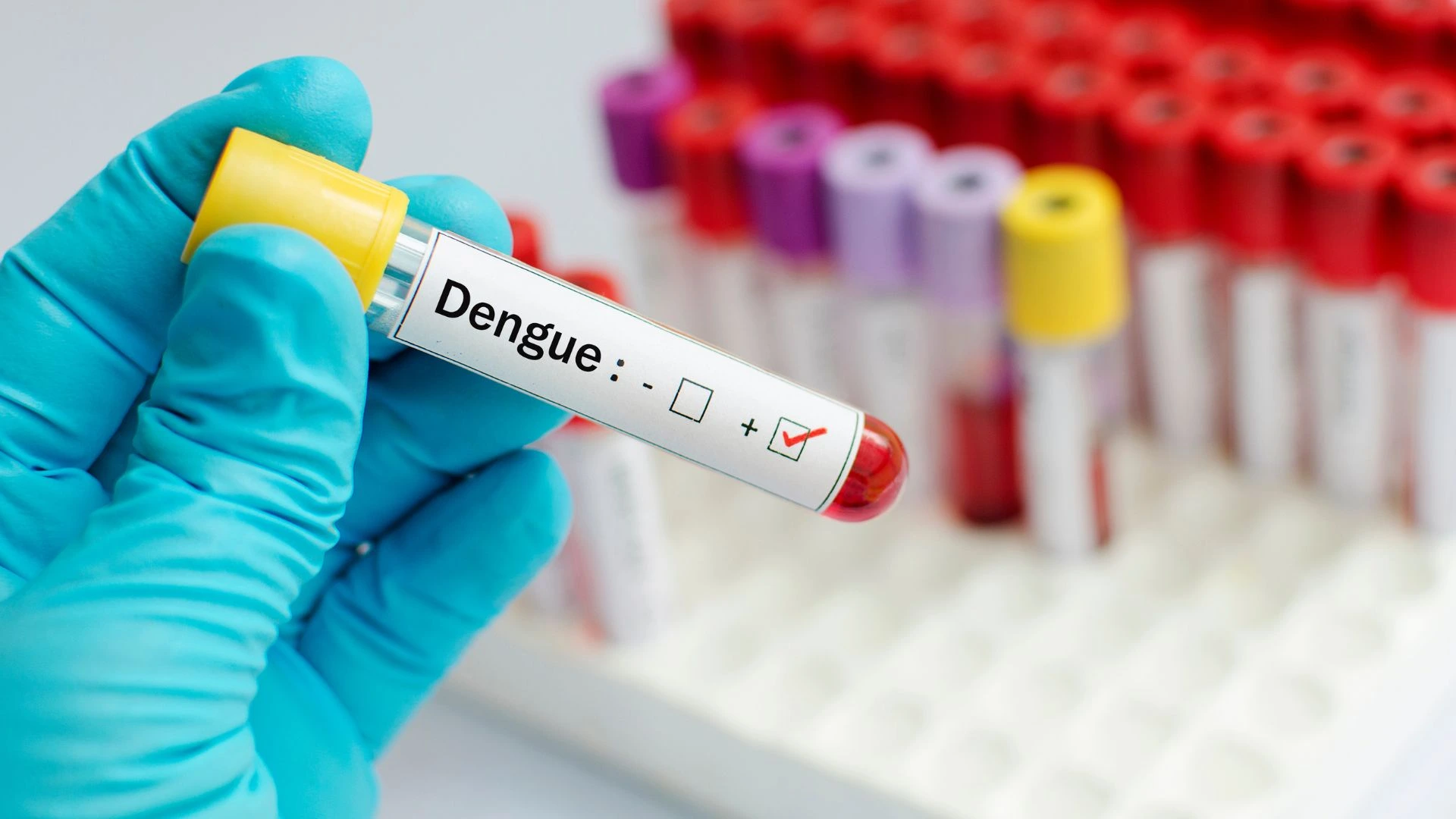
- Blood tests to confirm infection and monitor platelet levels
Early diagnosis helps prevent complications.
Dengue Treatment in Bali
There is no specific antiviral cure for dengue, but supportive treatment helps manage symptoms and prevent complications.
Treatment may include:
- Fever management
- Fluid monitoring
- IV hydration if needed
- Blood tests to monitor platelet levels
- Close medical observation
⚠️ Avoid self-medicating with certain painkillers (such as NSAIDs) unless advised by a doctor, as they may increase bleeding risk.
How Long Does Dengue Last?
Dengue typically lasts:
- Fever phase: 2–7 days
- Critical phase: Around day 3–7 (requires monitoring)
- Recovery phase: 1–2 weeks
Fatigue may persist even after fever subsides.
When Should You See a Doctor in Bali?
You should consult a doctor immediately if:
- You have high fever for more than 2 days
- You experience severe body pain
- You notice bleeding symptoms
- You feel extremely weak or dizzy
- You recently had mosquito exposure and feel unwell
Early medical care significantly reduces the risk of severe dengue.
Doctor Home Visit for Dengue Assessment in Bali
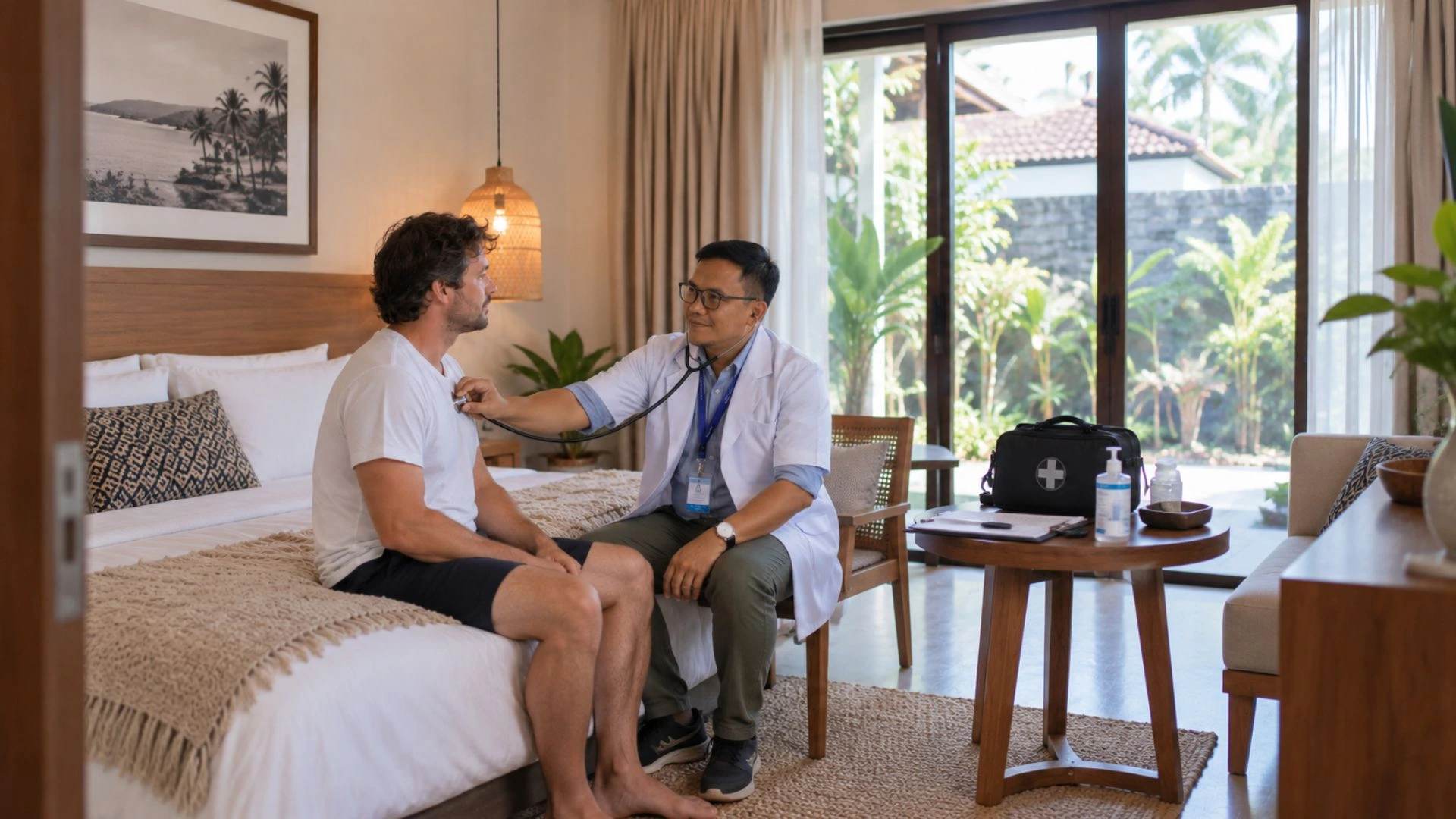
If you are too weak to visit a clinic, a doctor can come to your hotel or villa for evaluation.
Home visit services may include:
- Clinical assessment
- Blood test arrangement
- IV fluid therapy
- Ongoing monitoring
- Referral to hospital if necessary
This allows you to receive professional care while resting comfortably.
How to Prevent Dengue in Bali
Prevention is essential:
- Use mosquito repellent regularly
- Wear long sleeves and pants
- Stay in accommodations with mosquito protection
- Avoid areas with standing water
- Use mosquito spray or coils indoors
Protecting yourself from mosquito bites is the best way to prevent dengue.
Stay Safe and Seek Early Treatment
Dengue fever is a serious illness but can be managed safely with early detection and proper medical care. If you experience symptoms while in Bali, do not delay seeking professional help.
📲 If you suspect dengue in Bali, contact a doctor immediately for medical assessment and assistance.