Cough, Cold, Flu, Fever, and Breathing Difficulty in Bali: Causes, Risks, and When to Act

Getting a cough, cold, or flu in Bali is common. Most travelers shrug it off, rest for a day, and expect to feel better by morning. But when symptoms stretch beyond a week, when a fever keeps coming back, or when breathing starts to feel harder than it should, something more than a typical cold or flu may be happening.
Bali's tropical environment, international visitor mix, and year-round circulation of respiratory viruses create conditions where symptoms that look minor at first can develop into something that genuinely needs medical attention. Knowing the difference matters.
Why Respiratory Symptoms Linger Longer in Bali
Several factors work together to make respiratory illness, including colds and flu, harder to shake in Bali than at home.
Air conditioning is one of the most overlooked triggers. Moving repeatedly between cold, dry indoor air and hot, humid outdoor air dries out the mucous membranes lining the airways. This makes the respiratory tract more vulnerable to infection and slower to recover once irritated.
Air quality plays a role too. Traffic congestion in areas like Kuta, Denpasar, and Seminyak produces exhaust and fine particulate matter that irritates the lungs. Travelers spending time on motorbikes or walking along busy roads are particularly exposed, and ongoing exposure prevents the airways from healing properly.
Weakened immunity from jet lag, disrupted sleep, alcohol, and a packed itinerary leaves the body less equipped to fight off infections efficiently. What might clear up in five days at home can drag on for two weeks when the immune system is running below its normal capacity.
New viral strains are constantly introduced to Bali through its international visitor flow. Your immune system may encounter strains it has no existing protection against, leading to more intense or prolonged illness than you are used to.
Common Causes of Persistent Symptoms in Bali
Viral upper respiratory infection and flu are the most frequent causes of cough, runny nose, sore throat, and fever in Bali. A cold develops gradually with milder symptoms, while flu hits suddenly with a high fever, severe body aches, and intense fatigue that leaves you unable to function normally. Both are caused by viruses and both circulate in Bali year-round. Most cases resolve on their own within seven to ten days. If symptoms persist beyond this window without improvement, it is worth getting a medical assessment.
Bacterial sinusitis or bronchitis can develop as a secondary complication after a cold or flu. The initial viral illness appears to clear, but bacteria take hold in the inflamed sinuses or airways. Symptoms often include facial pressure, thick colored mucus, a persistent wet cough, and low-grade fever that returns after seeming to improve.
Pneumonia is less common but should be considered when fever is high and persistent, cough produces significant mucus or blood, and breathing becomes noticeably labored. Pneumonia requires prompt medical treatment and should not be managed at home.
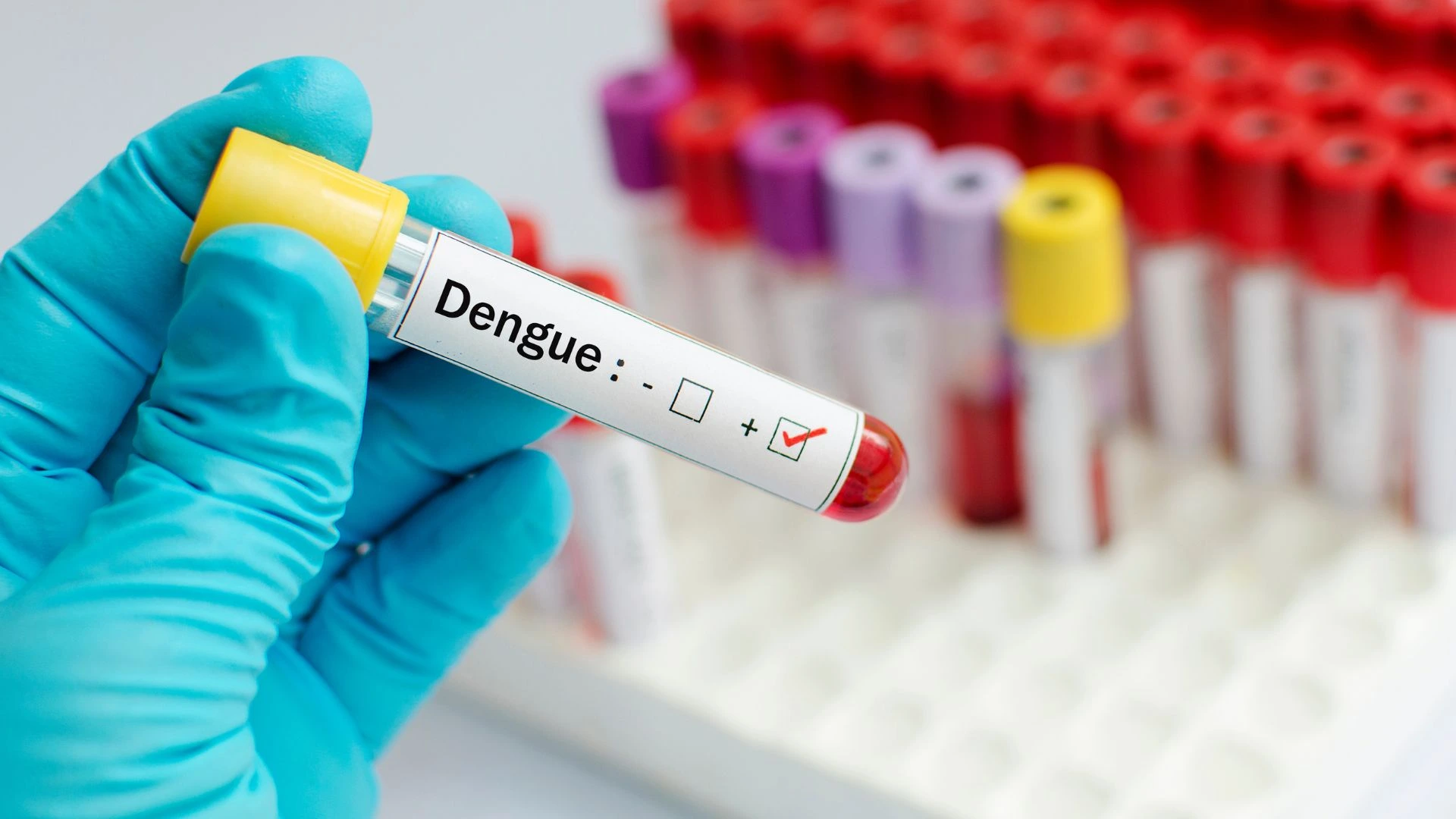
Dengue fever shares several symptoms with flu, including sudden high fever, severe headache, body aches, and fatigue. Crucially, dengue does not typically cause a cough or runny nose. If you have a high fever without respiratory symptoms, or if symptoms are severe and came on very suddenly, dengue should be tested for rather than assumed to be a cold.
Asthma or reactive airway disease can be triggered or worsened by Bali's air quality, high pollen levels, dust mites, and mold. Travelers with a history of asthma may find their symptoms flare in Bali's environment. Persistent dry cough with wheezing or chest tightness warrants evaluation even without fever.
When Breathing Difficulty Becomes a Red Flag
Shortness of breath is the symptom that changes the picture entirely. Feeling slightly breathless after a long walk in the heat is one thing. But difficulty breathing at rest, a feeling of tightness or pressure in the chest, or the sense that you cannot take a full deep breath are symptoms that require prompt medical assessment.
Do not wait to see if breathing difficulty improves on its own. In the context of ongoing fever, cough, or recent illness, these symptoms can indicate pneumonia, a severe asthma episode, or in rare cases a more serious cardiac or pulmonary condition that needs to be ruled out.
When to See a Doctor
Many travelers wait too long before seeking help, hoping symptoms will pass. In Bali's tropical environment, that approach carries more risk than it would at home. See a doctor if any of the following apply.
Your fever has persisted for more than three days or keeps returning after seeming to resolve. Your cough has lasted more than ten days with no clear improvement. Flu symptoms such as severe body aches and extreme fatigue came on suddenly and are not improving after five to seven days. You are producing thick yellow or green phlegm. You have difficulty breathing, chest pain, or a feeling of tightness at rest. Your symptoms initially seemed to improve and then suddenly worsened. You have a high fever without typical cold or flu symptoms such as runny nose or cough, which may point to dengue.
Early assessment leads to faster, more targeted treatment. A doctor can determine whether your illness is viral or bacterial, whether antibiotics are appropriate, whether a chest examination or blood test is needed, and whether your breathing warrants urgent intervention.
What Treatment May Involve
For viral infections including colds and flu, treatment focuses on symptom relief, rest, and hydration. Antibiotics are not effective against viruses and should not be used unless a bacterial infection is confirmed. For flu specifically, antiviral medication such as oseltamivir can shorten illness duration if started within the first 48 hours of symptoms, making early medical assessment particularly valuable.
For bacterial sinusitis or bronchitis, a course of antibiotics prescribed by a doctor is appropriate and typically leads to rapid improvement within 48 to 72 hours.
For pneumonia, treatment depends on severity. Mild cases may be managed with oral antibiotics and close monitoring. More severe cases require hospital admission for intravenous antibiotics and oxygen support.
For asthma flares, a doctor can assess airway function and prescribe bronchodilator medication and, where needed, a short course of corticosteroids to reduce inflammation.
Bali Doctor: Clinic and Home Visit Available
Bali Doctor provides clinic consultations and on call doctor home visits across the island, with English-speaking physicians available seven days a week. If you are too unwell to travel to a clinic, a doctor can come to your villa or hotel to assess your symptoms, examine your chest, and arrange any necessary testing or treatment on site.
Do not wait until breathing becomes seriously difficult. Getting assessed early gives you the best chance of a fast, complete recovery.
👉 Contact Bali Doctor via WhatsApp to book a consultation at the clinic or arrange a home visit at your location.